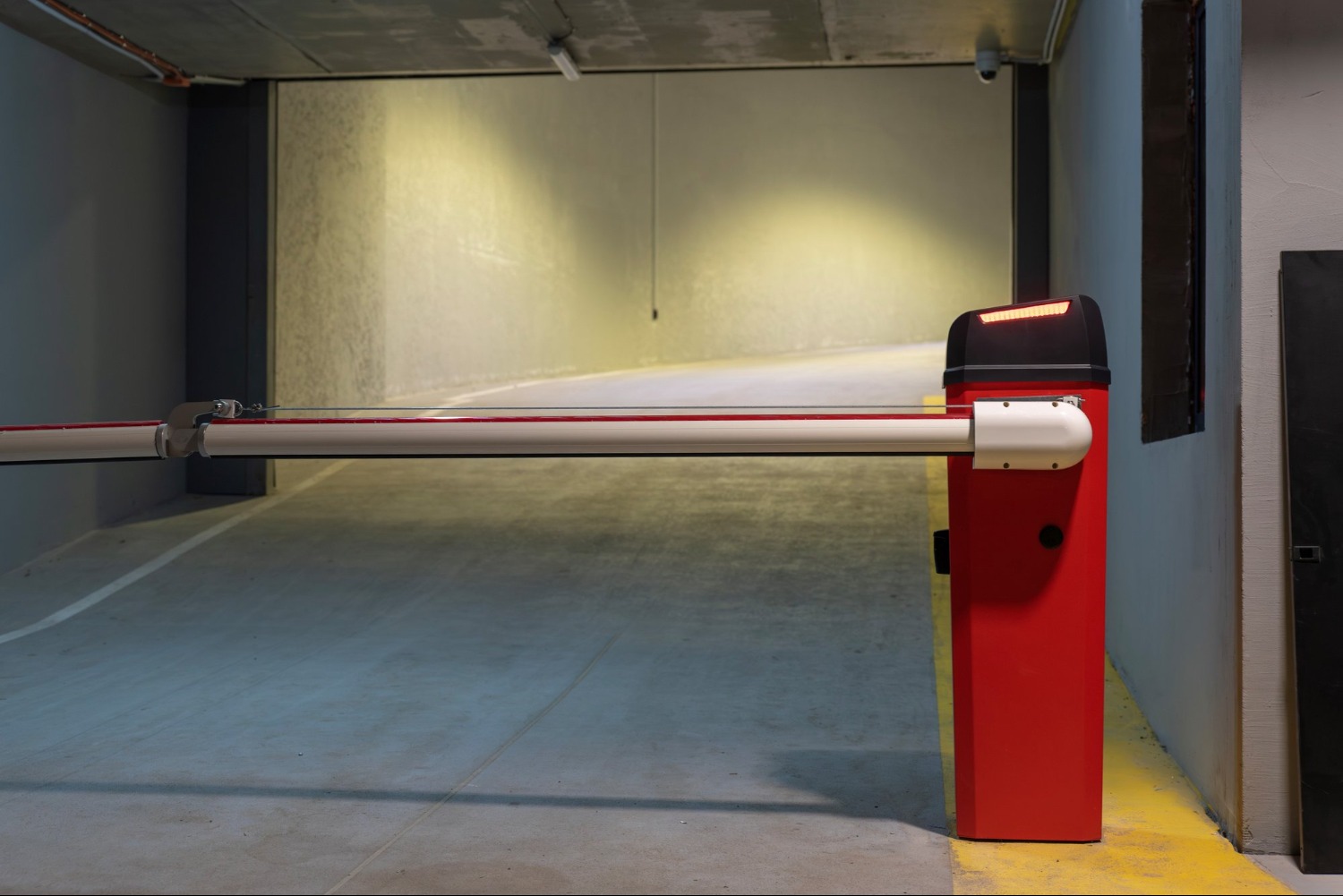
An Automatic Boom Barrier is designed for locations where the primary requirement is controlling vehicle movement rather than creating a complete physical perimeter closure. The horizontal boom arm raises for authorised vehicles and lowers again to regulate entry or exit.
In Nagpur, Maharashtra, these systems can be relevant for offices, factories, hospitals, institutions, residential complexes, parking facilities, warehouses, and other controlled vehicle entrances.
Start with traffic volume
One of the first questions should be how frequently the barrier will operate.
A small private parking area and a busy commercial entrance may have completely different cycle requirements. Barrier selection should account for operating frequency so that the equipment matches expected traffic.
Entrance width is equally important because the boom arm must cover an appropriate portion of the lane.
Decide how vehicles will be authorised
A boom barrier becomes significantly more useful when it is integrated with the right access process.
Depending on the facility, control options may include:
- Security operator controls
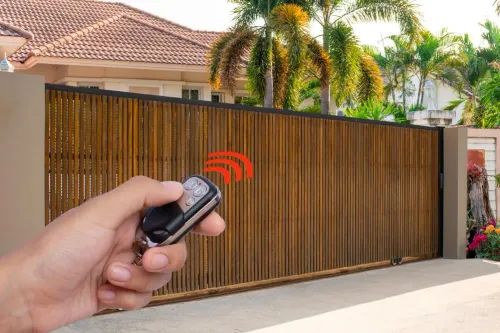
- Remote transmitters
- RFID-based access
- Card or access-control systems
- Compatible vehicle identification solutions
- Parking-management integration
The ideal method depends on whether users are employees, residents, registered visitors, customers, delivery vehicles, or a mixture of categories.
Consider lane design
The barrier should be positioned so vehicles can approach, stop, receive authorisation, and proceed without creating unnecessary congestion.
For busy premises, entry and exit may require separate lanes. Pedestrian pathways should also be planned separately wherever practical, because a boom barrier is intended primarily for vehicle control.
Ask about safety devices
Vehicle detection and safety arrangements are important parts of barrier planning.
The system should be configured to reduce the chance of the boom arm lowering while a vehicle is within the relevant detection area. The specific sensor arrangement depends on the installation and control system.
Emergency and manual operation should also be considered.
Compare complete proposals
When evaluating providers, avoid comparing only the barrier operator.
Check whether the proposal addresses:
- Boom length
- Operating frequency
- Control panel
- Vehicle detection
- Access integration
- Installation
- Electrical requirements
- Safety equipment
- Commissioning
- Maintenance support
This gives a more accurate picture of what is being installed.
Nagpur Automation works with automated vehicle-access applications in Nagpur and can assess lane width, traffic movement, control requirements, and intended operating frequency before recommending a configuration.
The right Automatic Boom Barrier should support the site's actual traffic process. A well-planned system can help security teams regulate vehicles efficiently while reducing repetitive manual barrier handling and creating a more organised entry and exit arrangement.
Keywords