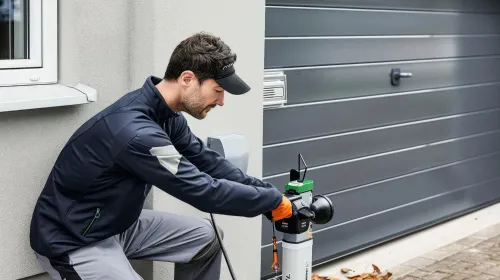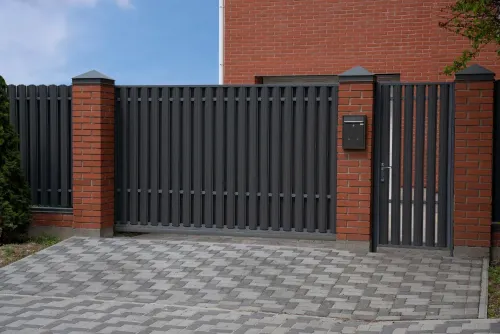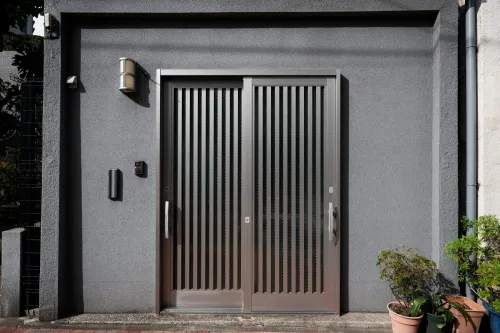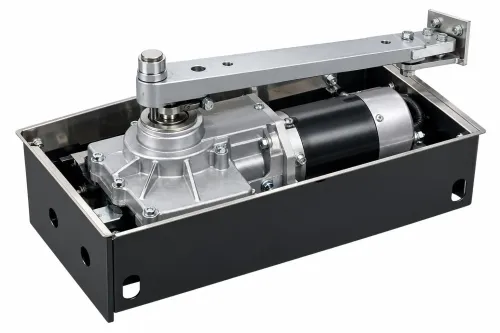
Installation begins with the gate, not the motor: the installer measures the moving load, checks the track and wheels, and confirms that the gate can travel without binding. You will be able to distinguish repair work from automation work, understand the electrical and safety tests, and assess whether the handover is complete.
Key takeaways
- Repair dragging tracks and seized rollers before fitting a motor.
- Match operator duty to peak traffic, gate weight, and opening frequency.
- Test safety sensors, emergency release, and access controls with real users.
- Demand settings, staff training, maintenance intervals, and fault procedures at handover.
The installer first proves that the existing gate is fit for automation
Before anyone chooses a motor, the installer proves that the gate itself is mechanically sound. This survey is the foundation of sliding gate motor installation for apartments in Nagpur, because a motor cannot correct a dragging track, seized roller, or distorted frame.
1. Release the gate from any existing drive and move it by hand through its full travel. It must roll smoothly without binding, racking, sudden resistance, or excessive force.
2. Inspect the track for level, gaps, loose sections, debris, and water collection. Check the gate wheels and guide rollers for wear, wobble, and excessive play, then confirm that a positive end stop prevents the gate from overrunning.
3. Measure the gate leaf length, approximate weight, available side-run space, gate-to-wall clearance, and rolling resistance. These figures determine whether a standard sliding operator fits or whether a telescopic or sliding-folding arrangement is needed.
4. Identify a rigid, level mounting surface outside the gate’s travel envelope. The proposed plinth must allow secure anchors, drainage, protected cable entry, and enough clearance for servicing; loose concrete or standing monsoon water will shift alignment and damage equipment.
5. Test the manual-release mechanism under normal gate load. It must be reachable, identifiable to authorised security staff, and usable during a power failure without forcing the gearbox.
The installer also verifies supply voltage, earthing, isolation, cable protection, cabinet sealing, and dust control at the actual gate. If the track, wheels, frame, guides, or foundation fail inspection, repair them before sliding gate motor installation—not after the motor starts producing faults.
Apartment traffic determines the gate layout and operator duty
A gate serving 80 flats needs a different plan from one serving 12. Count resident arrivals, departures, deliveries, staff movements, and visitor peaks before choosing the operator; repeated cycles can exceed a light residential unit’s duty rating.
- A conventional sliding gate needs a clear side-run at least as long as the moving leaf, plus gate-to-wall clearance for the motor, rack, and safety devices.
- A telescopic gate reduces the required side-run, but its linked leaves need accurate guides, synchronized movement, and more maintenance points.
- A sliding folding gate suits restricted side space, but its hinges, folding guides, and supporting frame must tolerate frequent movement without sagging.
The sliding gate operator installation plan also follows vehicle flow. Separate entry and exit lanes can reduce commands and queue pressure; a single shared lane needs loop detectors, longer open time, and controls that prevent a second vehicle from triggering unsafe closing.
Apartment gate automation may combine RFID, keypad, intercom, telephone access, exit buttons, and fire-alarm inputs, so the controller must prioritise safety signals and prevent a temporary command from leaving the gate open.
Size the operator from moving mass, leaf length, incline, wind exposure, and cycles per hour—not the advertised maximum weight alone. Set obstacle current on the complete loaded gate; it cannot replace photocells, and excessive sensitivity causes nuisance stops while insufficient sensitivity permits harmful impact.
The physical installation covers the foundation, rack, limits, and power route
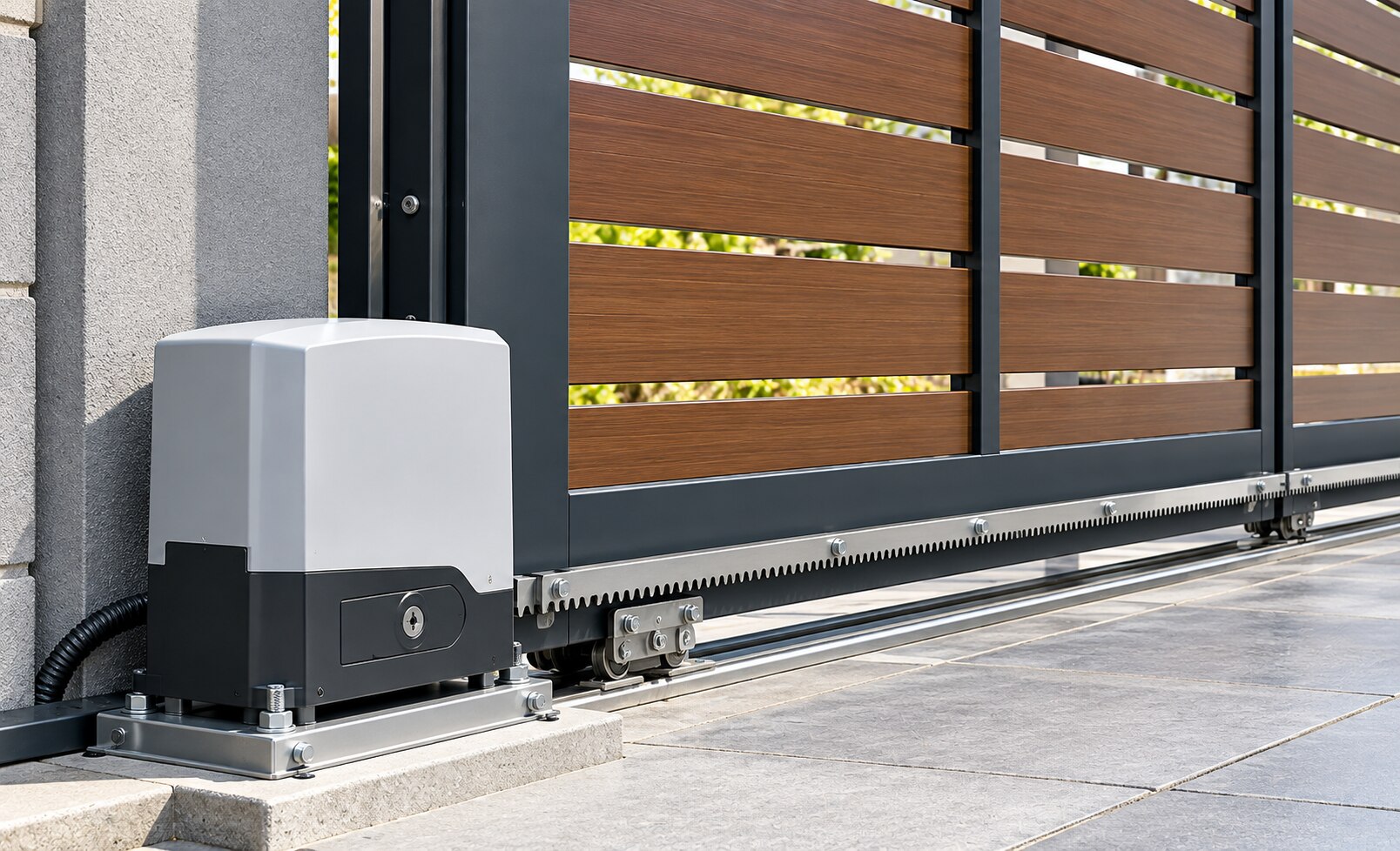
The fitting begins with a rigid, level foundation outside the gate’s travel path. During sliding gate operator installation, the installer checks the plinth, anchor bolts, drainage, gate-to-wall clearance, and available side-run space; a weak or waterlogged base will shift alignment and shorten gearbox life.
1. Position the operator so its pinion aligns with the gate, while keeping the manual-release lever reachable to authorised staff. Test the release under normal gate load; forcing the gearbox during a power cut can damage it.
2. Fix the rack parallel to the travel line with a small, continuous clearance above the pinion. The gate must be carried by its rollers, not rest on the motor. Incorrect height produces rattling, tooth wear, current trips, and uneven movement.
3. Install travel-limit components so the operator stops at the fully open and closed positions without pressing against the end stops. The installer then moves the gate through its complete run to confirm consistent engagement.
4. Route the power cable through protected conduit to the control panel, with isolation, earthing, suitable cable protection, and sealed entries. For a sliding gate motor in Nagpur, the route also needs protection from monsoon water, dust, and standing water around the plinth.
The control panel is connected only after the mechanical movement is smooth. The installer sets the travel and obstacle-current parameters with the complete gate fitted; excessive sensitivity causes nuisance stops, while low sensitivity can allow damaging contact.
Access controls and safety devices are commissioned under real conditions
A simple open-and-close demonstration is not commissioning. During apartment gate automation, the installer triggers each resident access path, such as an RFID reader or intercom, and confirms that a temporary command neither bypasses a safety input nor leaves the gate latched open. The exit button and any fire-alarm release are tested in the same way.
Every result belongs to the control-panel record.
The installed sliding gate motor installation is then tested under abnormal conditions:
- A vehicle stops in the opening; the gate must stop or reverse without contact.
- A person crosses while the gate is closing; photocells must interrupt movement.
- Repeated commands arrive during travel; the controller must follow its programmed logic.
- An access-control signal disappears; the gate must not remain falsely authorised.
- An obstruction meets the closing edge; the protective response must occur.
- Power fails during travel; staff must retain a safe recovery method.
The installer checks both fully open and fully closed limits after power cycling and after manual-release recovery. Each limit must stop the gate before it strikes the structural end stop. Obstacle-current protection is adjusted with the complete gate under normal load; excessive sensitivity causes nuisance stops, while low sensitivity permits damaging impact.
Staff then operate the labelled manual release under normal load, without forcing the gearbox. They also record whether the battery moves the full gate or only powers the controller, the available open-close cycles, low-battery behaviour, and the release procedure for a prolonged outage.
The handover should leave security staff with settings, procedures, and a maintenance plan
Accept the gate only after the committee receives a signed handover pack and security staff can operate it without guessing. The installer of a sliding gate motor in Nagpur must demonstrate the complete installed system, not only show that the gate opens and closes.
1. Record the operator make, model, serial number, supply voltage, auto-close delay, speed, force or current setting, and authorised persons allowed to change them.
2. Include a wiring diagram showing the isolator, earthing, cable routes, control panel, access-control interface points, photocells, limit switches, and protective devices.
3. Test both photocells and each limit switch, then record the results. Confirm that obstacle detection stops or reverses the gate without treating current sensitivity as a replacement for photocells.
4. Identify the manual-release mechanism, label it, and test it with the gate under normal load. Security staff must move the gate during a power failure without forcing the gearbox.
5. Test a vehicle stopped in the opening, a person crossing during closing, repeated commands, lost access-control signals, power failure, and a closing-edge obstruction.
6. Obtain maintenance intervals, cleaning and lubrication instructions, fault contacts, and emergency numbers. Nagpur Automation can include these details in the handover record for a sliding gate motor installation for apartments in Nagpur.
Related products
 | MOTORIZED SLIDING GATE Motorized Sliding Folding Gate Motorized Sliding Folding Gates are useful where there is restricted and compact space for entrace. View product → |
 | Automatic Electric Sliding Gate Our company is highly esteemed in providing Automatic Electric Sliding Gate. View product → |
Frequently asked questions
What does an installer check before automating an apartment sliding gate?
The installer checks the track, rollers, frame, alignment, manual movement, and obstructions. The gate must move smoothly before a motor is fitted.
How does apartment traffic affect the sliding gate operator?
Vehicle volume, peak-hour queues, gate weight, opening speed, and duty cycle determine the operator size and layout.
What physical work is included in sliding gate motor installation?
Installation includes the operator foundation, toothed rack, mechanical or electronic limits, cable route, power supply, and protective conduit.
What should be tested before apartment gate automation is handed over?
The installer should test access controls, photocells, emergency release, obstacle response, closing force, power failure operation, and staff procedures under real conditions.
Related products
 | We hold expertise in offering a superior range of Sliding Gate Automation, which is commonly used in offices, apartments and corporate houses. View product → |
 | Motorized Telescopic Gate Automatic Telescopic Sliding Gate With the support of our professionals, we are involved in offering best quality of Automatic Telescopic Sliding Gate. View product → |
 | We hold expertise in offering a superior range of Slid Gate Opener, which is commonly used in offices, apartments and corporate houses. View product → |
 | In order to keep pace with never ending demands of customers our company provides excellent quality range of Sliding Gate. View product → |
Keywords