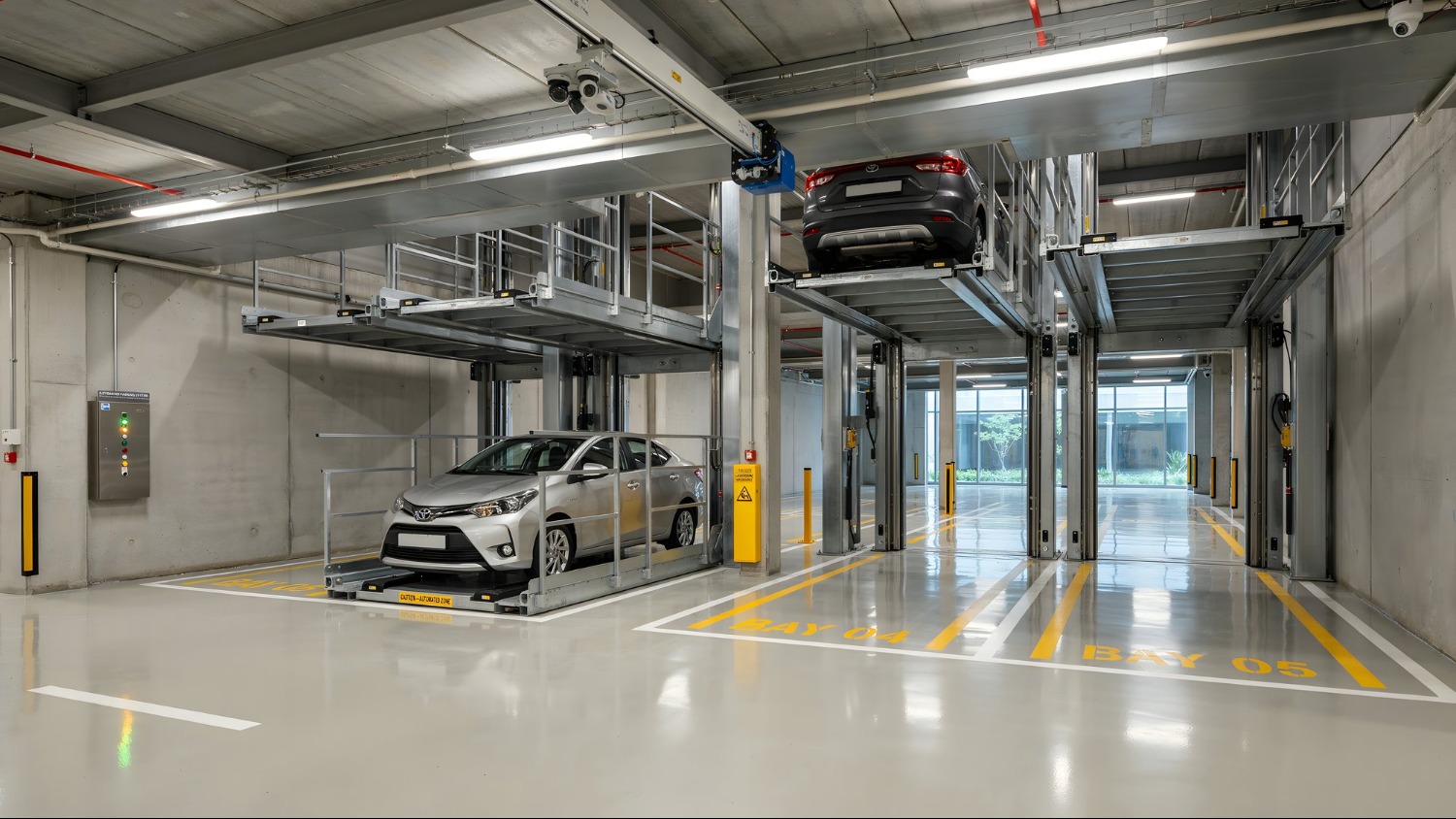
An Automated Parking System can help commercial and institutional properties organise vehicle access, identify authorised users, manage entry and exit, and maintain more structured parking operations.
For businesses and property managers in Nagpur, Maharashtra, the right system depends less on adding as much technology as possible and more on solving specific parking problems.
Identify the parking problem first
Automation should begin with the operational issue.
A property may be experiencing long entry queues, difficulty identifying authorised vehicles, manual ticket handling, limited visibility of vehicle movement, or inefficient visitor management.
Different problems require different combinations of equipment and software.
Understand the vehicle journey
Map what happens from the moment a vehicle reaches the entrance until it leaves.
For example:
- The vehicle approaches the entry lane.
- The system or security process identifies the user.
- Access is authorised.
- The boom barrier opens.
- Vehicle movement is recorded where required.
- The vehicle enters the parking area.
- A corresponding exit process takes place later.
Looking at the complete journey helps identify where automation provides genuine value.
What equipment may be involved?
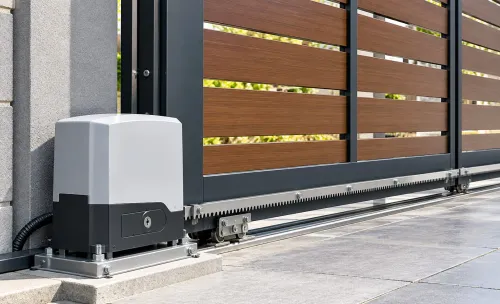
Depending on requirements, parking automation can involve boom barriers, vehicle sensors, RFID equipment, access-control components, ticketing devices, controllers, and compatible parking-management technology.
Not every facility needs every component.
A smaller office with registered staff vehicles might have relatively simple access requirements. A larger commercial property handling employees, visitors, vendors, and customers may need more sophisticated entry and exit processes.
Evaluate peak traffic
Average daily traffic does not tell the whole story.
Commercial properties often experience concentrated vehicle movement when offices open, shifts change, events begin, or employees leave at the end of the day.
Lane capacity and access speed should therefore be evaluated against peak periods.
If authorisation takes too long, even technically advanced equipment can create queues.
Check integration and support
Before choosing a provider, clarify how different system components communicate and what happens when one component is unavailable.
Manual override and fallback procedures should be part of planning.
Maintenance support is equally important because barriers, sensors, readers, controllers, and other field equipment operate in real-world environmental conditions.
Nagpur Automation works with access and parking automation requirements in Nagpur, allowing commercial property managers to evaluate entrance layouts, traffic patterns, control methods, and suitable equipment before implementation.
A useful Automated Parking System should make vehicle management simpler rather than introduce unnecessary complexity. Properties that clearly define their traffic problems, user categories, peak periods, access rules, and maintenance needs are better prepared to select a system that supports day-to-day operations.
Keywords